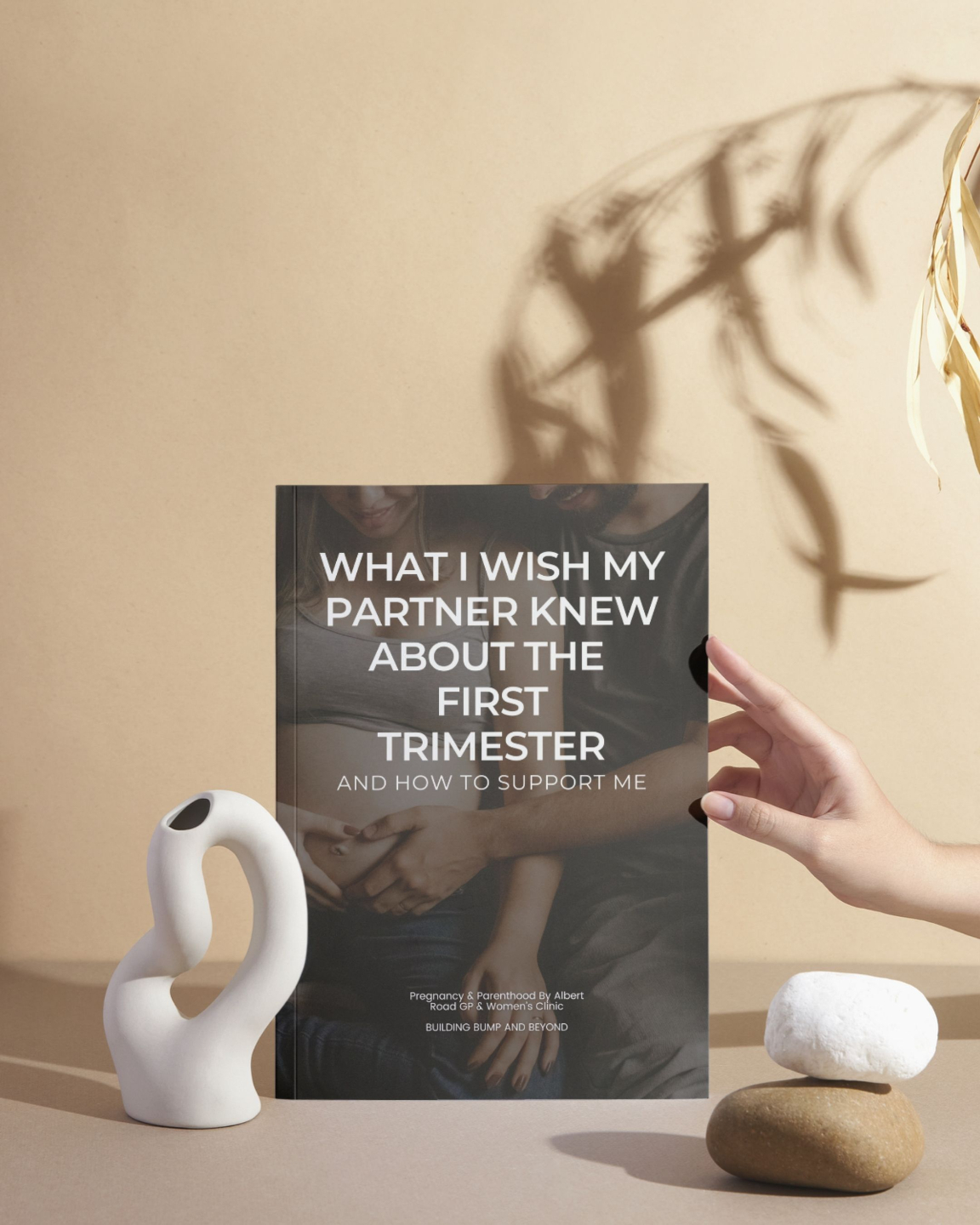
[Booklet] What I Wish My Partner New About the First Trimester (And how to support me)
$0.99
The guide I wish every couple received with a positive pregnancy test.
The first trimester can be one of the most exciting, overwhelming and misunderstood stages of pregnancy.
One moment you're celebrating a positive pregnancy test. The next, you're navigating exhaustion, nausea, anxiety, changing emotions and a future that suddenly feels both incredibly exciting and completely unknown.
While there is plenty of information available about pregnancy, very little explains what the first trimester actually feels like—or how partners can provide meaningful support during this time.
That's why we created this booklet.
What I Wish My Partner Knew About The First Trimester is a practical and heartfelt guide designed to help couples feel more connected, understood and supported during the first 12 weeks of pregnancy.
For less than the cost of a coffee, you'll gain insights that can transform the way you navigate early pregnancy together.
GET INSTANT ACCESSTable of Contents
Welcome Letter
Part 1: Understanding What She's Going Through
-
I Might Look Fine, But I Don't Feel Fine
What's really happening during the first trimester -
The Exhaustion Is Not Normal Tiredness
Why growing a baby is harder than it looks -
Morning Sickness Is A Terrible Name
Understanding nausea, vomiting and food aversions -
My Emotions Are Bigger Than Usual
Hormones, overwhelm and emotional ups and downs -
I'm Probably Carrying A Lot Of Anxiety
The worries many women don't talk about -
I Still Need Affection
Navigating intimacy, connection and changing needs -
The Mental Load Is Heavy
The invisible work of becoming a parent
Part 2: How To Support Me
-
Supporting Me Based On My Love Language
Practical ways to show up when I need you most -
Common First Trimester Symptoms (And How You Can Help)
Real solutions for real pregnancy challenges -
What My Partner Did That Meant The Most
Stories and examples from women who have been there
Part 3: Practical Survival Guides
-
The Partner Emergency Snack List
What to keep at home, in the car and on hand -
First Trimester Essentials
Products that many women find helpful -
When To Encourage Me To Contact My Healthcare Team
Knowing when it's time to seek support
Part 4: The First Trimester Cheat Sheet
-
20 Ways To Support Your Partner Today
-
Things She May Be Feeling (Even If She Doesn't Say It)
-
When She Needs Understanding, Not Solutions
What not to say (and what to say instead) -
The Secret Sixth Love Language: Anticipation
-
The Partner Promise
Part 5: Our First Trimester Survival Plan
-
Our Pregnancy Support Worksheet
• My biggest symptoms right now
• Foods I can tolerate
• Foods I can't tolerate
• Household tasks I'd love help with
• How I feel most supported
• Upcoming appointments and milestones
• Our Team Agreement
• Mum Promise
• Partner Promise
One Final Thing...
A reminder for both of us: We're not trying to be perfect. We're learning, growing and becoming parents together.
About The Author
Disclaimer
This is not medical advice.
Inside You'll Discover
This Booklet Is Perfect For:
"I Didn't Need Him To Fix It"
"I spent a lot of the first trimester worrying between appointments. My partner kept trying to reassure me that everything would be okay. What helped most wasn't reassurance—it was when he started listening. He'd sit with me, ask what was on my mind and let me talk. For the first time, I felt understood rather than reassured."
"He Started Noticing"
"One day I came home from work and realised my partner had already picked up groceries, restocked the snacks I'd been eating and booked our next appointment into his calendar. None of those things were huge, but I remember feeling so relieved. It was the first time I felt like I wasn't carrying everything on my own."
"The Small Things Meant The Most"
"I don't remember many details of my first trimester now, but I remember how supported I felt. A glass of water beside the bed, dinner organised when I felt sick, a hug after a difficult day. Looking back, it wasn't one big gesture that made the difference. It was the small things, done consistently."